
Where Grace Takes Root
October 20, 2026
Now an angel of the Lord said to Philip, "Go south to the road — the desert road — that goes down from Jerusalem to Gaza." So he started out, and on his way he met an Ethiopian eunuch, an important official in charge of all the treasury of the Kandake (which means "queen of the Ethiopians"). This man had gone to Jerusalem to worship, and on his way home was sitting in his chariot reading the Book of Isaiah the prophet. The Spirit told Philips, "Go to that chariot and stay near it."
Then Philip ran up to the chariot and heard the man reading Isaiah the prophet. "Do you understand what you are reading?" Philip asked.
"How can I," he said, "unless someone explains it to me?" So he invited Philip to come up and sit with him.
~Acts 8:26-31
Next Stop
Friends,
This past Sunday morning, we had the final Bible history Sunday school lesson for Agape Foundations, the class for 4th and 5th graders who received their Bibles back in September. We spent the school year studying scripture in the Agape class, talking about its history, and applying it to our lives today. We’ll still have class this summer but will put this curriculum down until next year’s 4th graders get their Bibles.
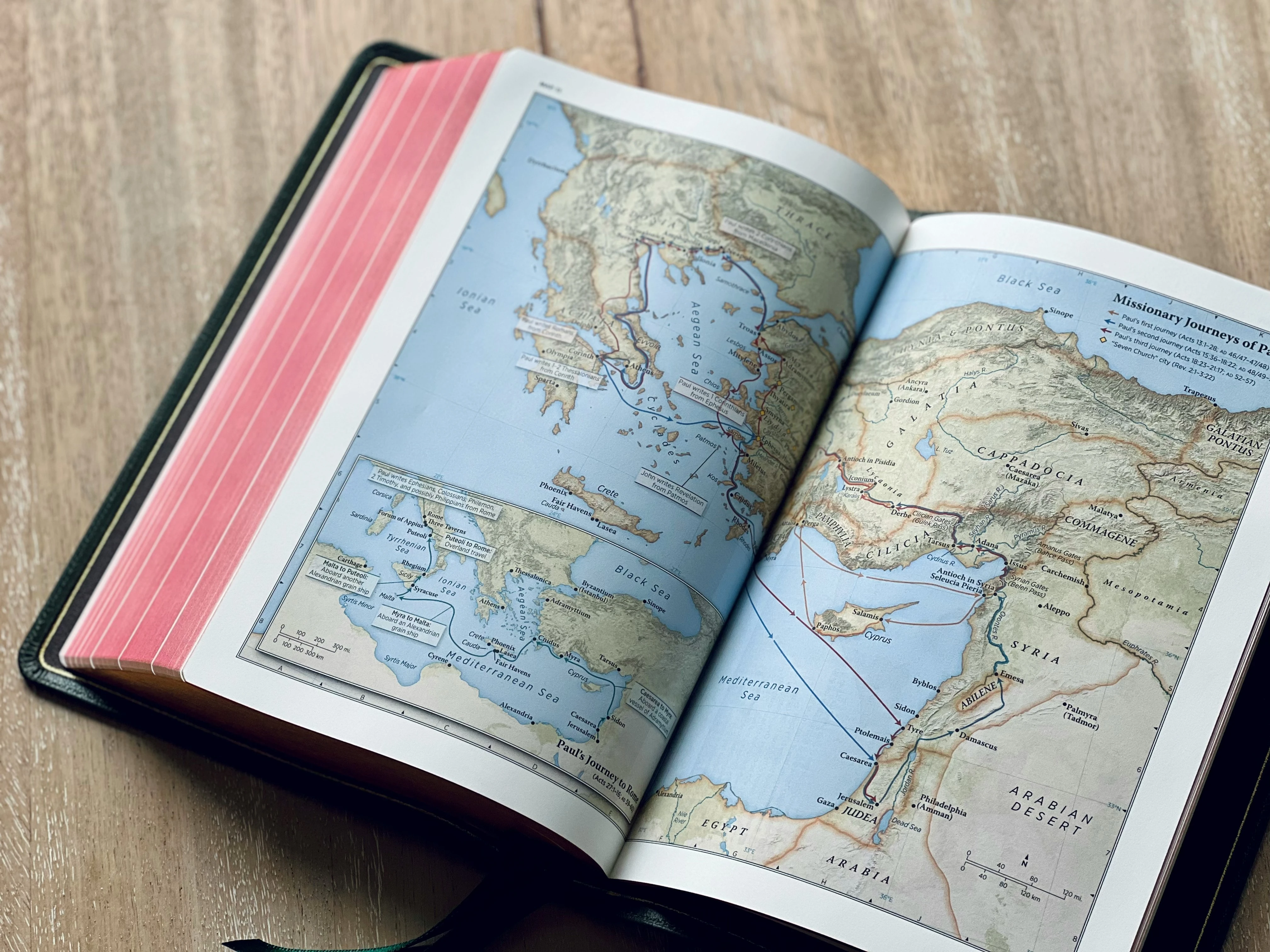
Sunday in class, we asked, “What does it mean to study the Bible in context?” We discussed how we learn about the places, the history, and the customs where each story took place thousands of years ago. Understanding what was happening at the time these Biblical stories were written down helps us understand more about them. Putting the Bible in its historical context helps us understand the setting in which the experiences of God were moving through the author, and it helps us better ground those timeless truths today.
In Acts 8, the story of Philip and the Ethiopian eunuch is often revered as an inclusion story for Philip’s willingness to listen to the Spirit and spend time with a stranger. There is another important point here: the Ethiopian wanted to understand the context of the scripture he was reading. Philip shared the context, and the Ethiopian was moved to baptism.
Several summers ago, while we were reading Freeing Jesus by Diana Butler Bass in Saint John's Summer Book Club, church member Christine Sheng, who grew up in Egypt, talked to us about how powerful foot washing was because of the scarcity of water in the desert. This was important context! Tidbits like this help my mind map what scripture meant when it was written, and what it can mean to me today.
This summer we will go on a context journey. In this worship series, Next Stop: Journey through Genesis, we will not only talk about the powerful stories of Abraham's family, we will also talk about the places where these foundational stories took place.
Whether you're traveling yourself this summer or staying home, you're invited to journey with us in worship, on site or online, as we follow the forerunners of our faith. On Wednesday evenings in July, we’ll hear from people who have been to these places over potluck dinners.
With a spirit of adventure, I am excited to join you.

October 20, 2026

October 13, 2026
October 06, 2026