
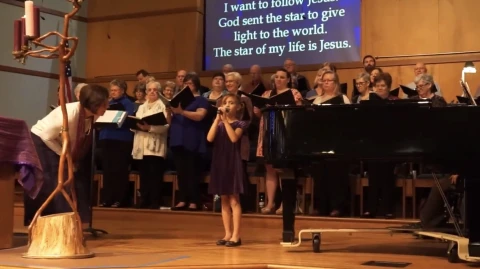
Snapshots of a Supportive Church Community
May 12, 2026
All who believed were together and had all things in common; they would sell their possessions and goods and distribute the proceeds to all, as any had need. Day by day, as they spent much time together in the temple, they broke bread at home and ate their food with glad and generous hearts, praising God and having the goodwill of all the people.
~Acts 2:42-47
Life Together
I grew up on the outskirts of a small city located on the outskirts of a larger city. Our neighborhood was located on the edge of East Baton Rouge Parish, east of the Mississippi River. Counties in Louisiana are called Parishes because of our very deep Catholic, French, and Spanish history. I will save that subject for another Our Life Together, LOL. The community we lived in was a few miles away from any grocery stores. It would likely be considered a food desert by today's standards. (Food deserts are low income, geographically isolated areas—typically over 1 mile from a supermarket in urban areas or 10 miles in rural areas—lacking access to affordable, nutritious, and fresh food.)
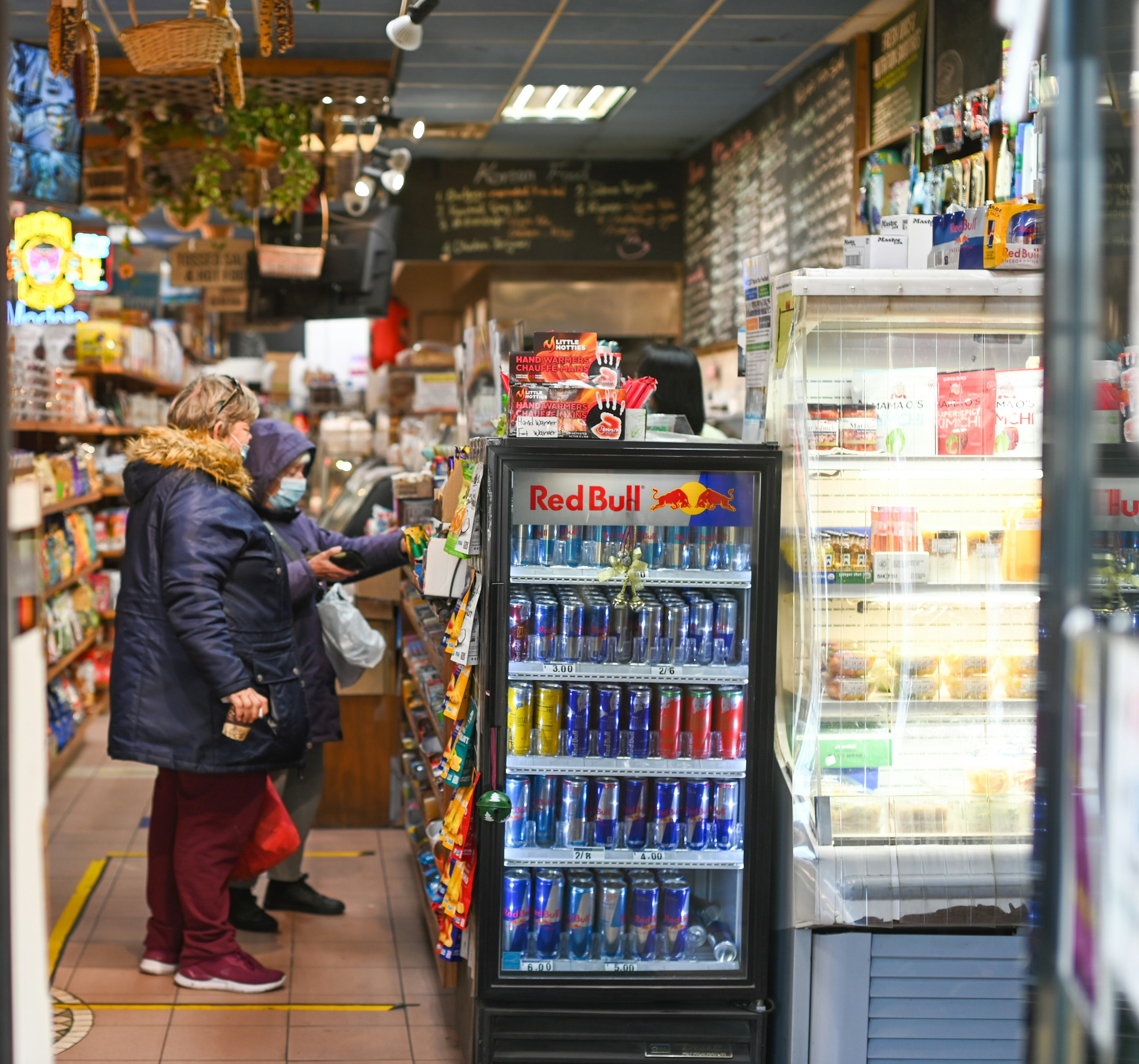
There were two stores in our neighborhood, but they were not grocery stores. Some would call them “corner stores” because there were no fresh products, only snacks, soda, beer, cigarettes and a few canned goods. The store at the “front” of the neighborhood was called Mr. Ned’s and the store in the “back” of the neighborhood was called Mrs. Ruby’s. In the early 90s, my parents began operating Mr. Ned’s and changed the name to Knighten and King Groceries. (King is my mom’s maiden name.) My parents managed the store and worked full-time jobs; to this day I’m not exactly sure how they did that. As a high school student, I would work there on weekends, and my parents would cook and sell fresh meals at the store. People would come from all over the neighborhood to eat and enjoy a unique type of fellowship that did not exist in that space before.
When reading the Pentecost story, people are usually amazed by the way the Holy Spirit shows up and uniquely touches the lives of those gathered on that day. Each time I read Acts 2 I am amazed by something else. I am amazed by something called koinōnia which grows out of the Pentecostal moment. The Greek term koinōnia in Acts 2 reflects a fellowship, partnership, and a communal vision laid out by Jesus of healing, liberation, and restoration. The community in Acts 2 had mutual aid as its foundation and it was a community where people were valued and cared for.
They broke bread and ate together daily but their fellowship went beyond just food; they were practicing life together by caring for each other's wellbeing. As we celebrate Pentecost what does it mean for us, as followers of Christ, to live more fully into the practice of koinōnia?
May 12, 2026

May 05, 2026
April 28, 2026